
Christian Awe
Being born in Berlin in 1978, Christian Awe studied at the Universität der Künste in Berlin and is an internationally renowned artist with solo exhibitions across the globe.Go To Page

Brixy
Nature serves Brixy (*1961 Mannheim, 1985-91 Staatliche Akademie der Bildenden Künste Karlsruhe) as the great source of inspiration for his art.Go To Page

René Dantes
Careful metamorphoses and an incessant interplay between abstract formal elements and figurative and vegetal formationsGo To Page

Ellen DeElaine
Ellen DeElaine (*1982, Bedburg)Go To Page
Martin Eder
The sweetish colours of the paintings are contrasted by the masterly application of wet-in-wet-technique leading to the boundaries of reality.Go To Page
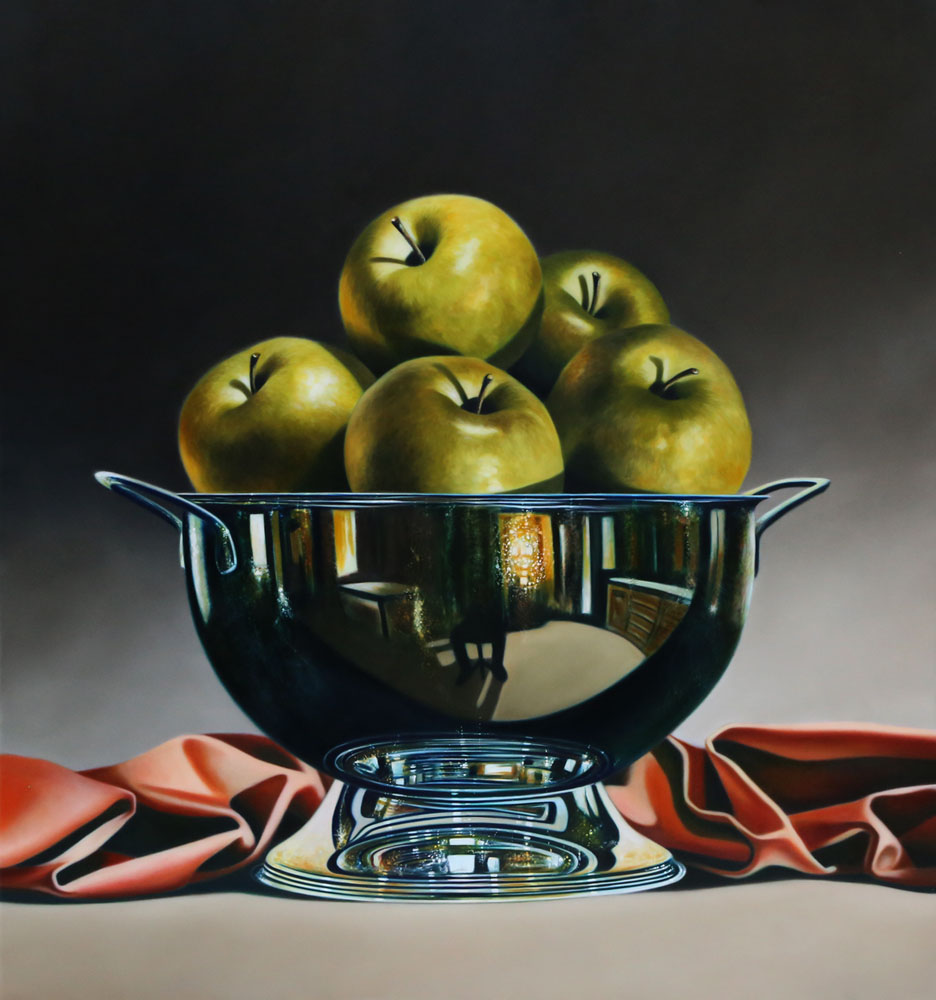
Joerg Eyfferth
Joerg Eyfferth’s still life painting is known for its record of transparency and reflexion.Go To Page

Franz Gertsch
Franz Gertsch (*1930, Möringen, Switzerland) is one of the most important contemporary Swiss artists.Go To Page

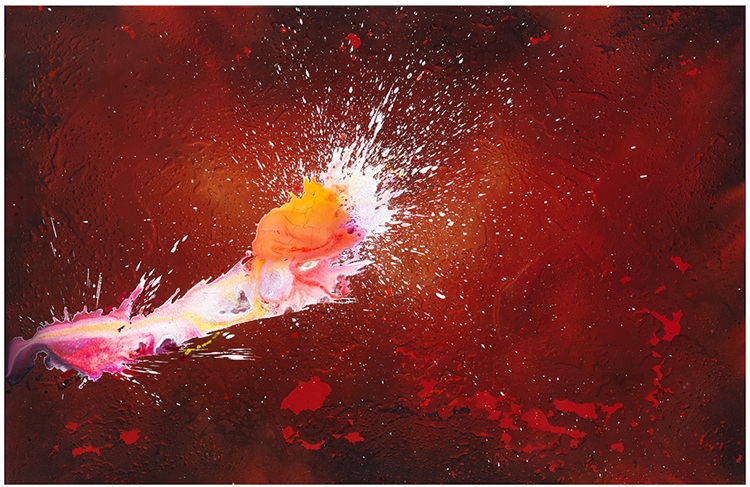
Katharina Grosse
Katharina Grosse (*1961, Freiburg im Breisgau) paints with compressor-powered spray guns.Go To Page
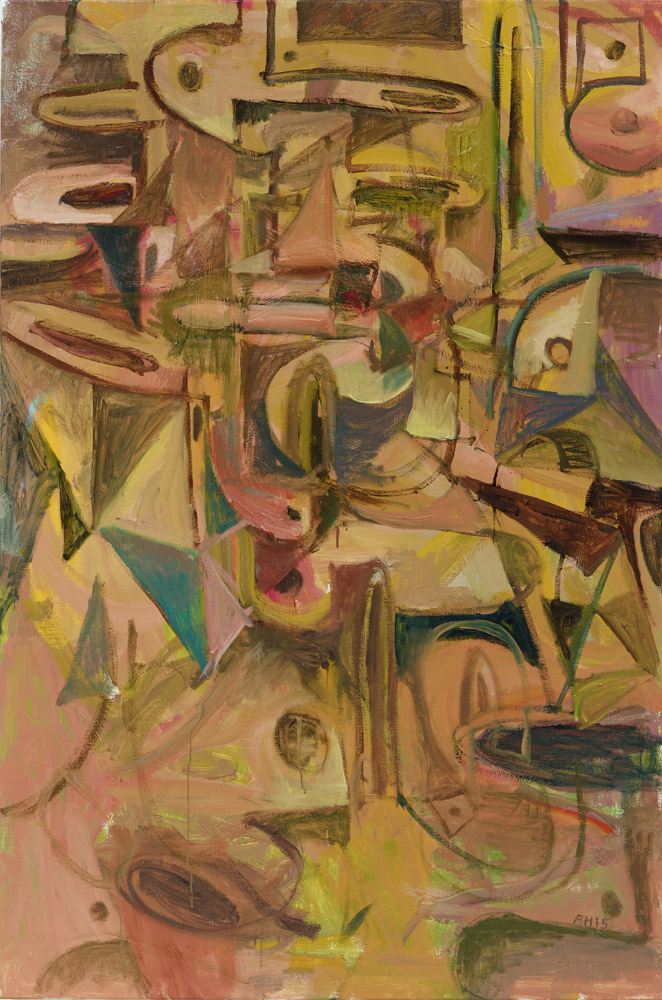
Anton Henning
Anton Henning’s (*1964, Berlin) paintings contain ironic allusions to popular art historical motifs.Go To Page
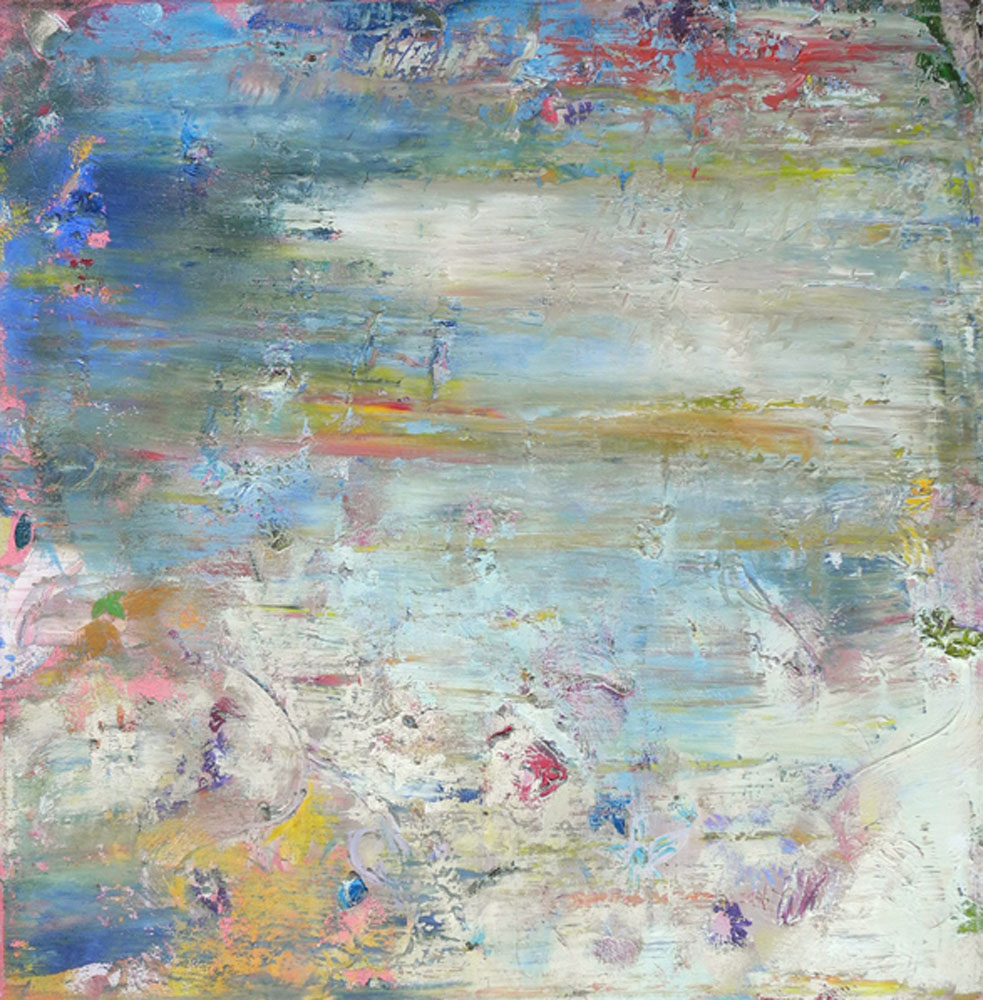
Christian Herig
Christian Herig (*1975, Bad Salzungen) studied at the University of Art and Design Halle as well as at the Academy of Fine Arts Leipzig with Neo Rauch.Go To Page
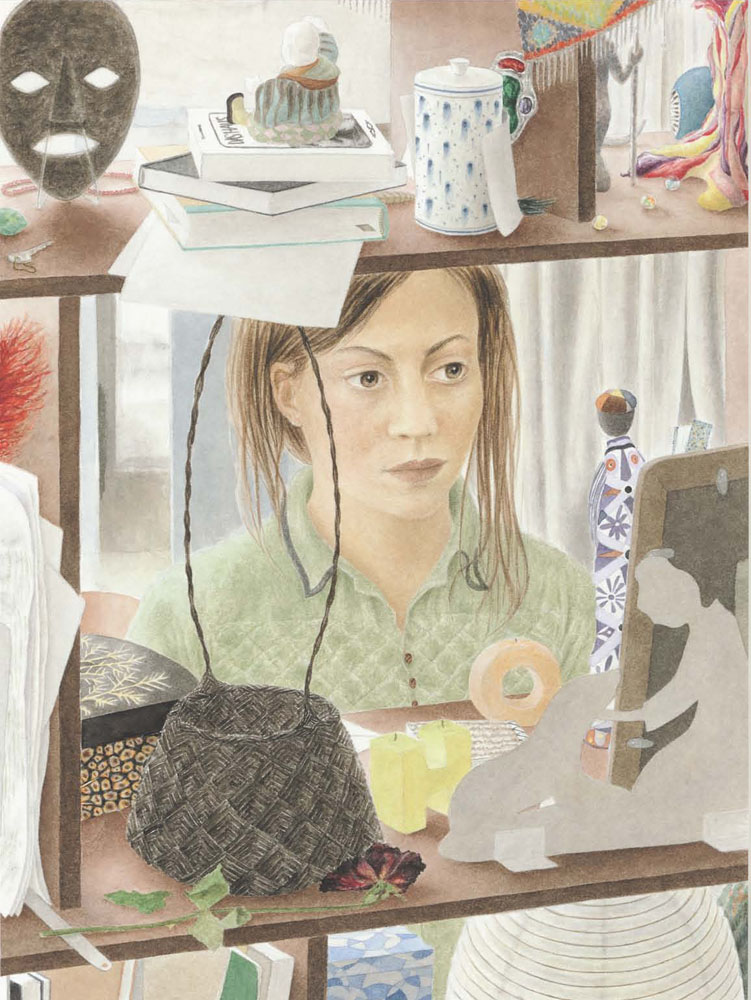
Anna-Lea Hucht
Anna-Lea Hucht unfolds a narration, in which her sculptures are supplied by the room surrounding them.Go To Page
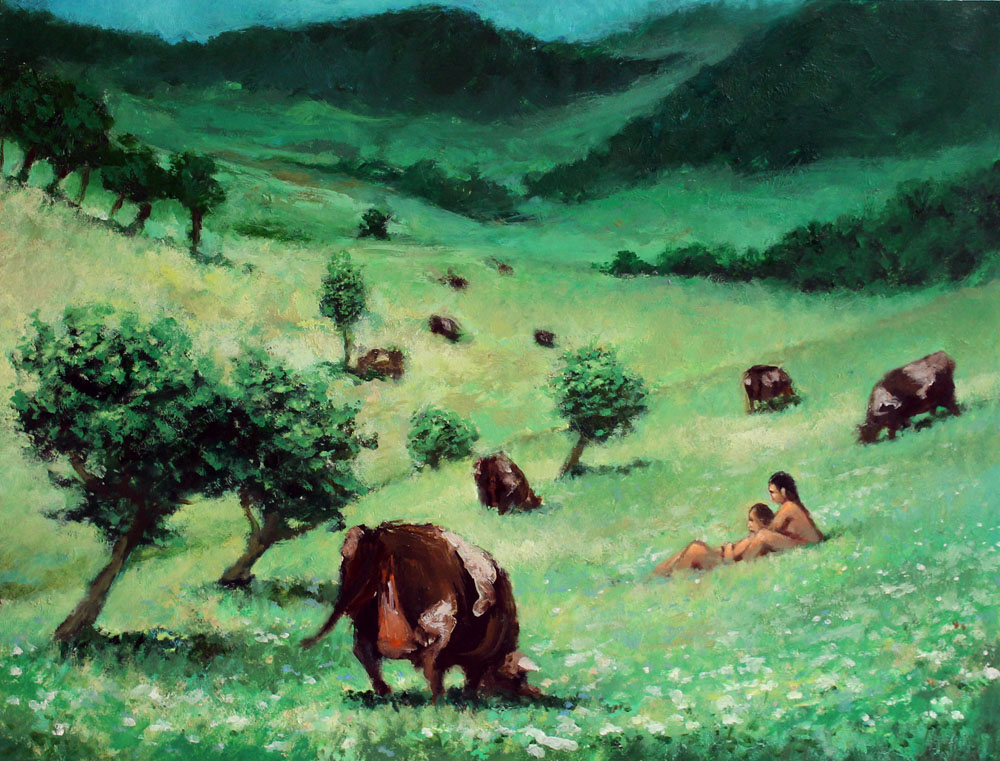
Johannes Hüppi
Johannes Hüppi (*1965, Baden-Baden) finds his secrets in the outside world and translates them into small format paintings.Go To Page
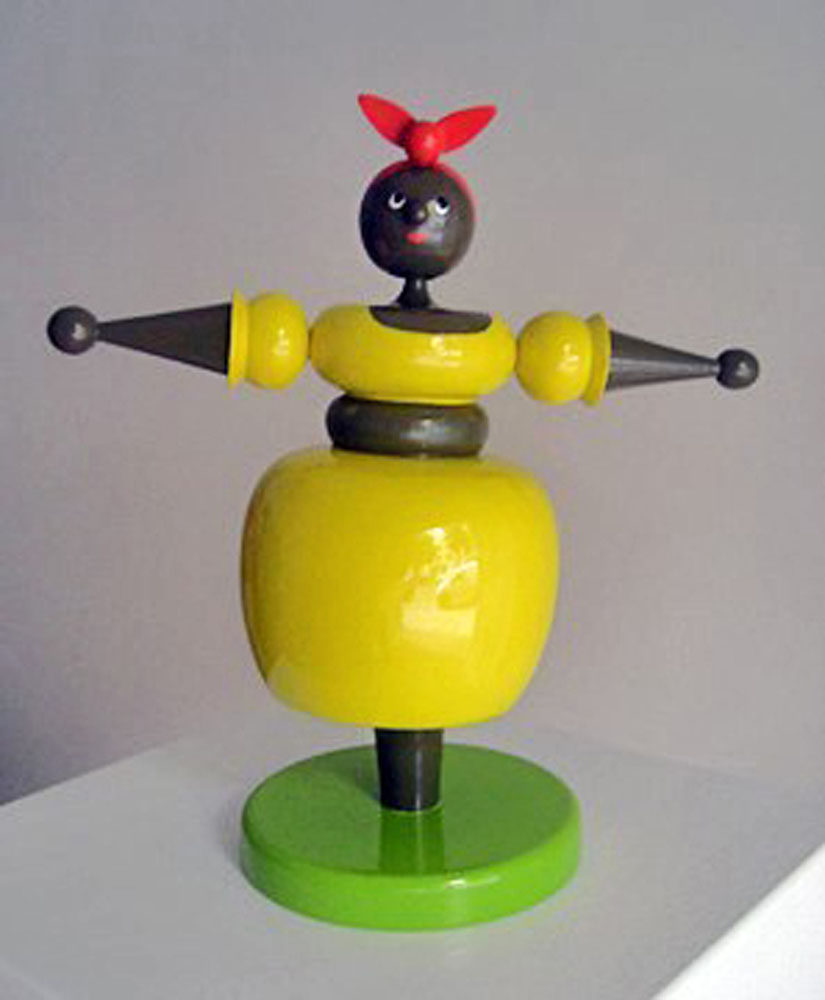
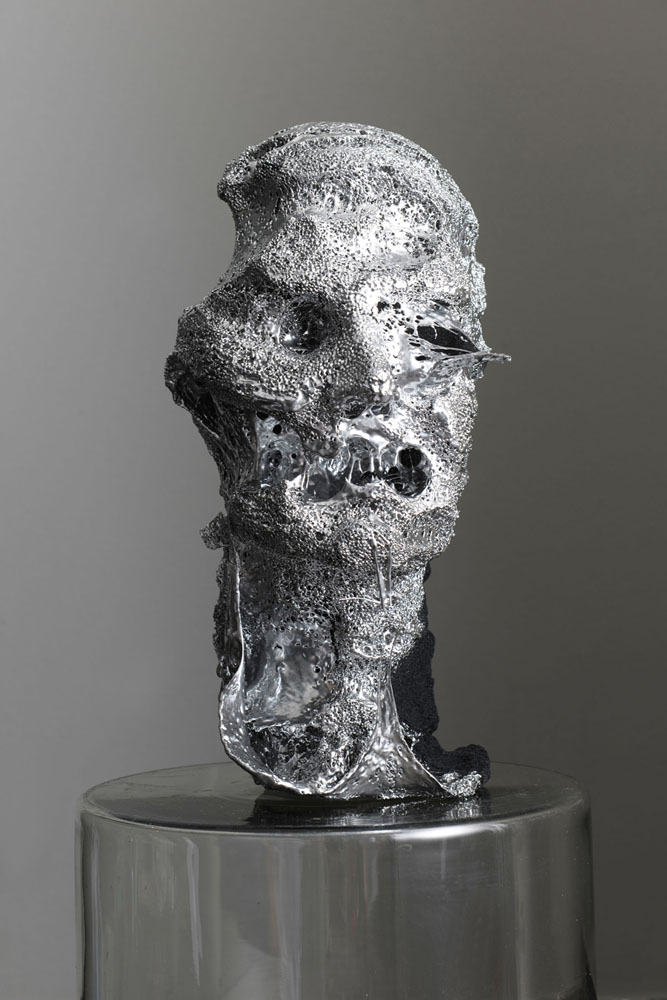
KEHL
With his varnish-sculptures Gerhard KEHL creates a great connection between old traditions and modernity.Go To Page
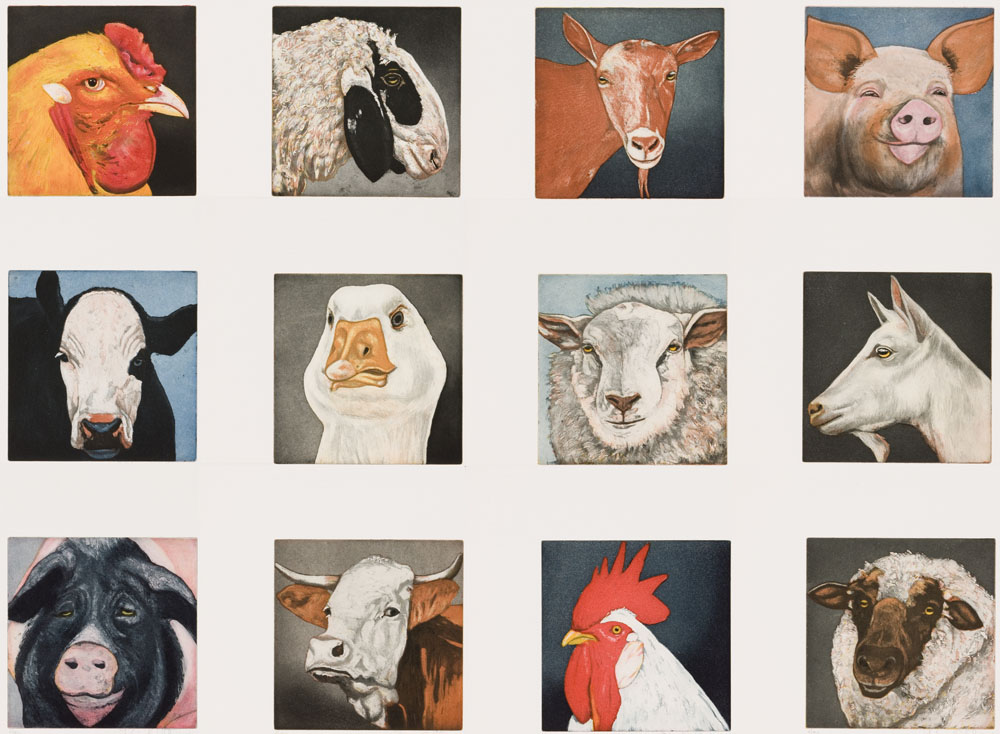
Karin Kneffel
Karin Kneffel (*1957, Marl) questions the trivial and the common in her illusionist paintings.Go To Page

Lee Lee Nam
Lee Lee Nam merges traditional culture into today's high-tech environment.Go To Page
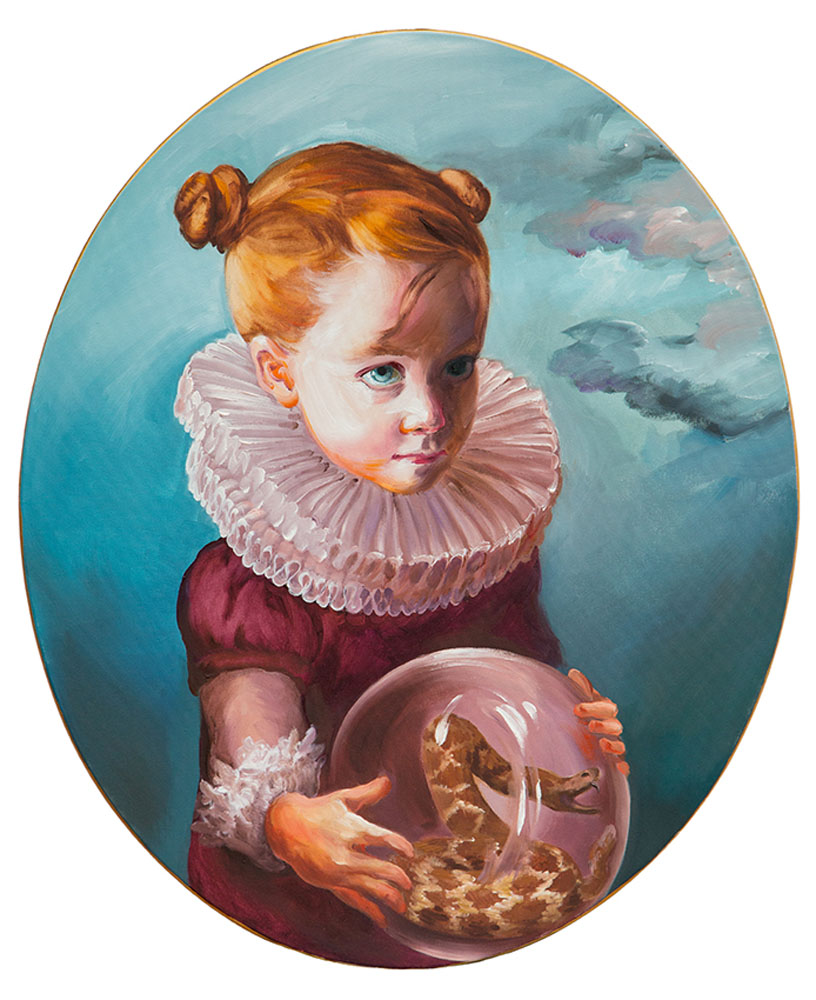
Sala Lieber
Within her figurative painting, Sala Lieber uses various motifs from art history which range from her characteristic Chiaroscuro to the composition of the image.Go To Page

Katarina Lönnby
Katarina Lönnbys animals, like spiders and slugs, are developing a life of their own – the mythical enters.Go To Page
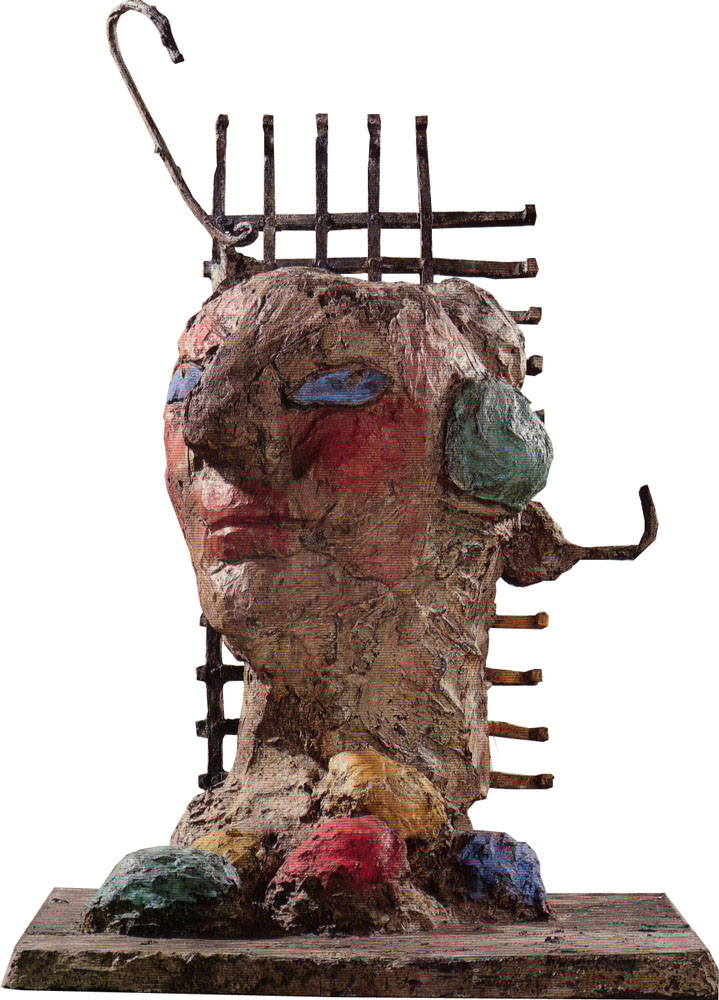
Markus Lüpertz
The works of Markus Lüpertz sculptures are characterized by a many-sided abstraction.Go To Page

Katharina Meister
Katharina Meister’s oeuvre contains especially ecologically and politically motivated types of works,Go To Page

Berit Mücke
Berit Mücke (*1968, Potsdam) studied painting at the Academies of Fine Arts in Leipzig and Rome with Neo Rauch among others.Go To Page

Naoko
Naoko uses Asian, Oriental and European art history to form his motifs and his techniques.Go To Page

Albert Oehlen
Albert's (*1954, Krefeld) oeuvre is highly interdisciplinarily oriented, the artist is most commonly known for his humorous painterly works.Go to page

Markus Oehlen
Markus Oehlen, one of the main representatives of the “Young Savages”, applies his motifs in different layers.Go To Page

Julian Opie
Julian Opie (*1958, London) was established by pictorial writing of simplified Portraits and statues to one of the famous British artists of the present time.Go To Page

Justine Otto
Justine Otto (*1974, Zabrze, Poland) studied at the Städelschule in Frankfurt/Main between 1996 and with Angermann and Krebber.Go To Page

Uwe Pfeifer
Uwe Pfeifer’s realistic painting creates imageries which address the inner and the outer world, its unity and contradictions.Go To Page

Sigmar Polke
Sigmar Polke (1941, Silesia) developed the style of the “Capitalist Realism” together with Gerhard Richter and Konrad Lueg during the 1960s.Go To Page
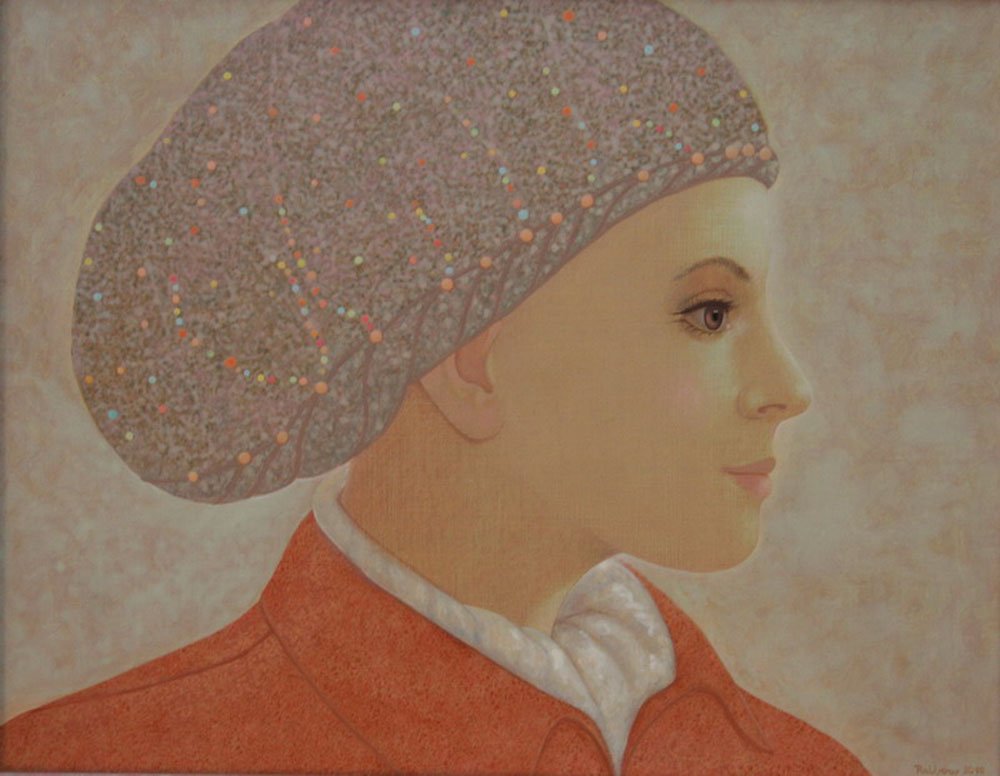
Heinz Rabbow
Heinz Rabbow artistic practice stems from the ancient method of “grisaille”.Go To Page

Arnulf Rainer
The works of the austrian artist Arnulf Rainer are dealing in a similar way with the alienation.Go To Page
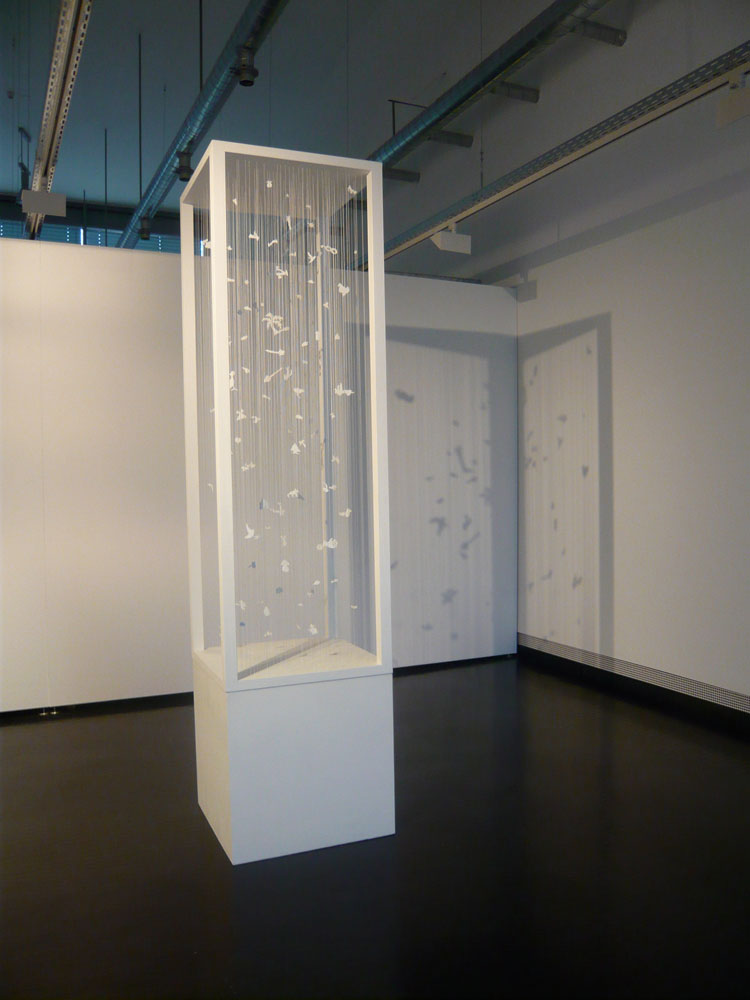
Zipora Rafaelov
Zipora Rafaelov’s relief-like pictures and installations address the affiliation of two-dimensional objects and their three-dimensional projection.Go To Page
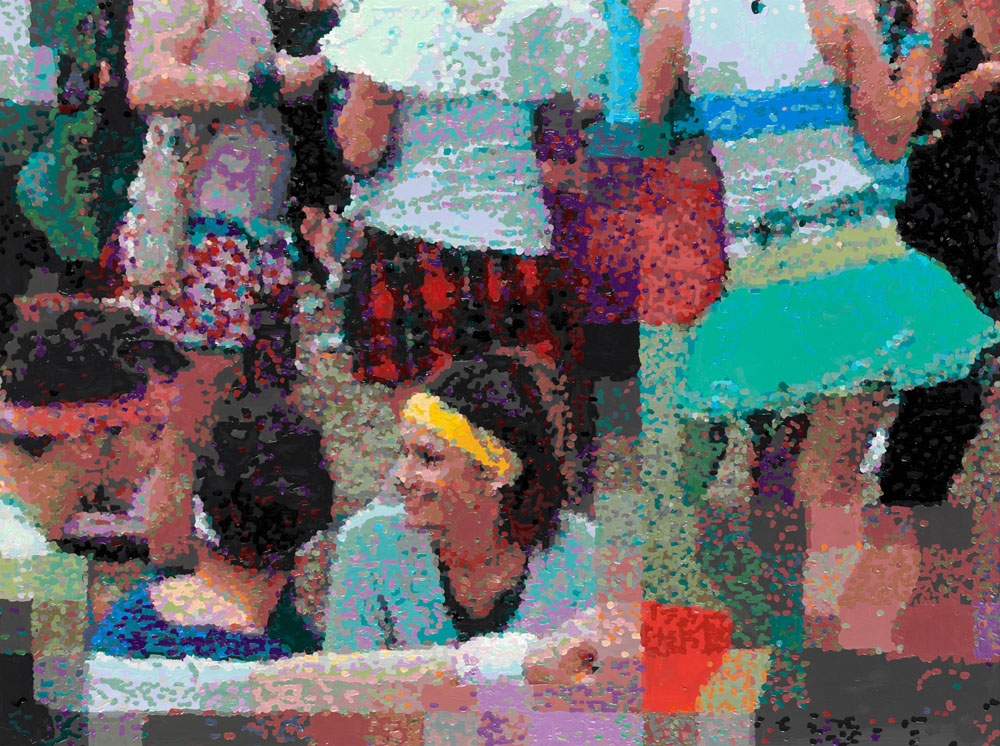
Römer & Römer
The Berlin couple Römer & Römer find their inspirations and subjects during extensive travels to the Far East.Go To Page
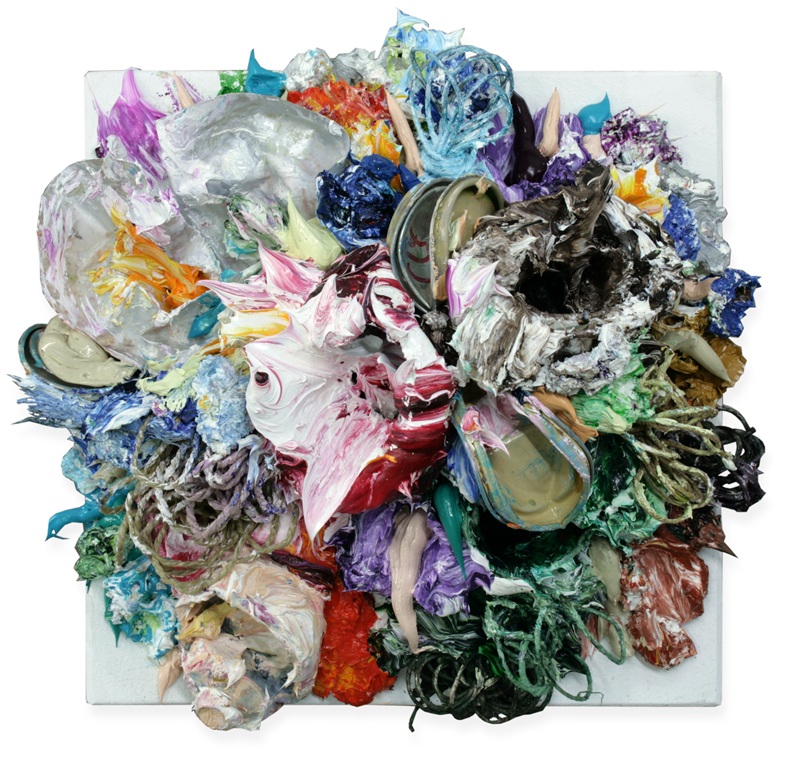
Jochen Schambeck
In Jochen Schambeck's work, painting becomes material, the visible becomes tactile.Go To Page
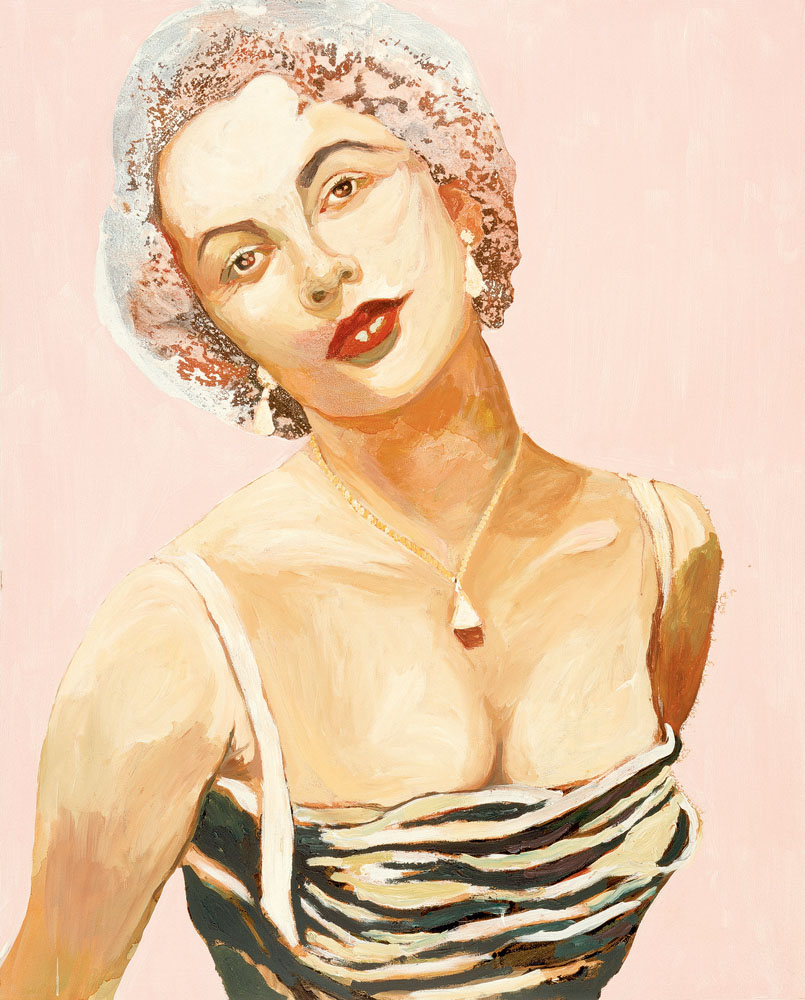
Cornelia Schleime
Cornelia Schleime (*1953, East-Berlin) is one of the most well-known contemporary painters.Go To Page
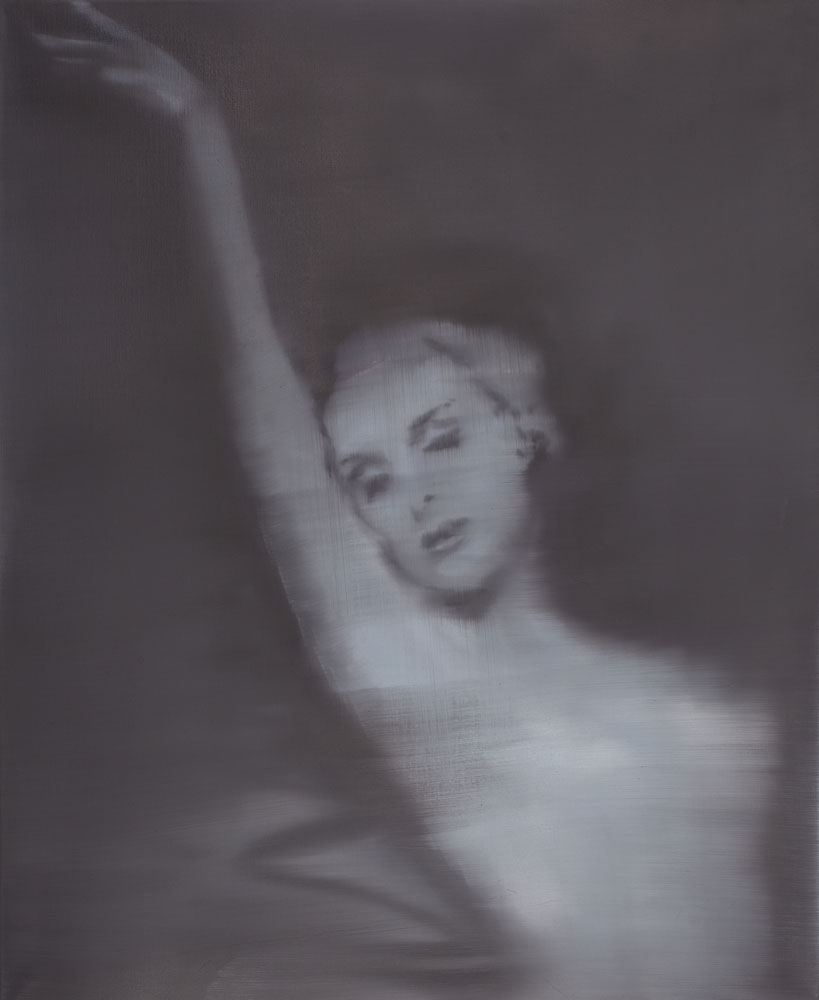
Uta Schotten
The Work of Uta Schotten (*1972, Haarlem, Netherlands) revolves around the vague, the hidden secrets of the human figure.Go To Page
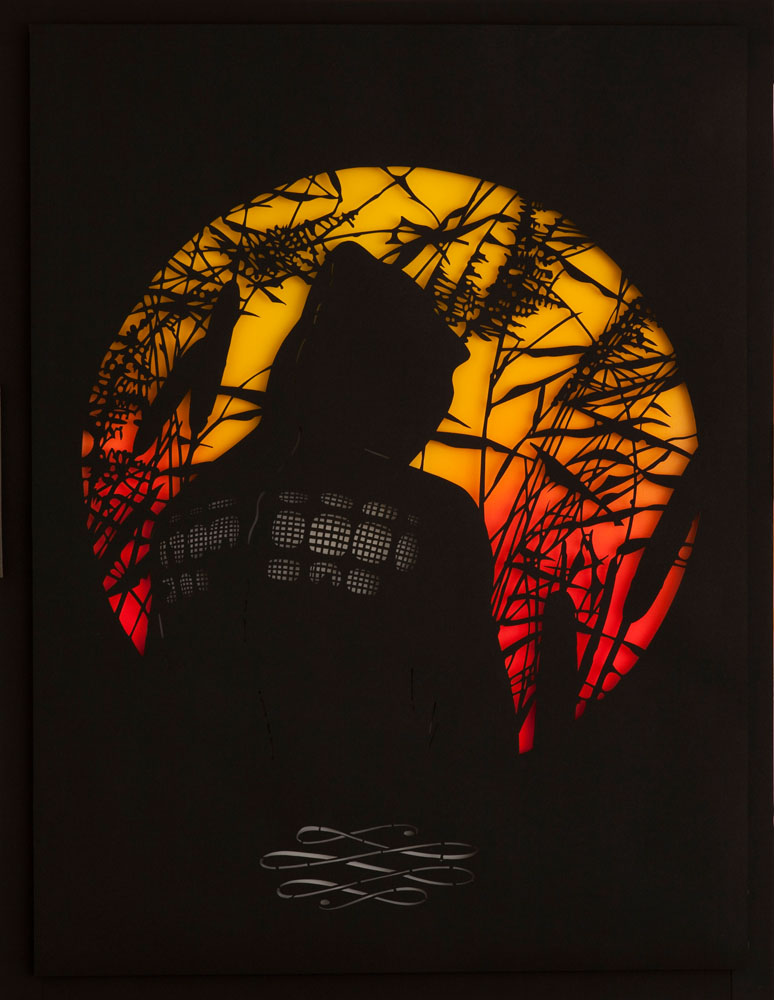
Annette Schröter
(*1956, Meissen, Germany) studied painting at the Academy of Fine Arts Leipzig with Berhard Heisig.Go to page
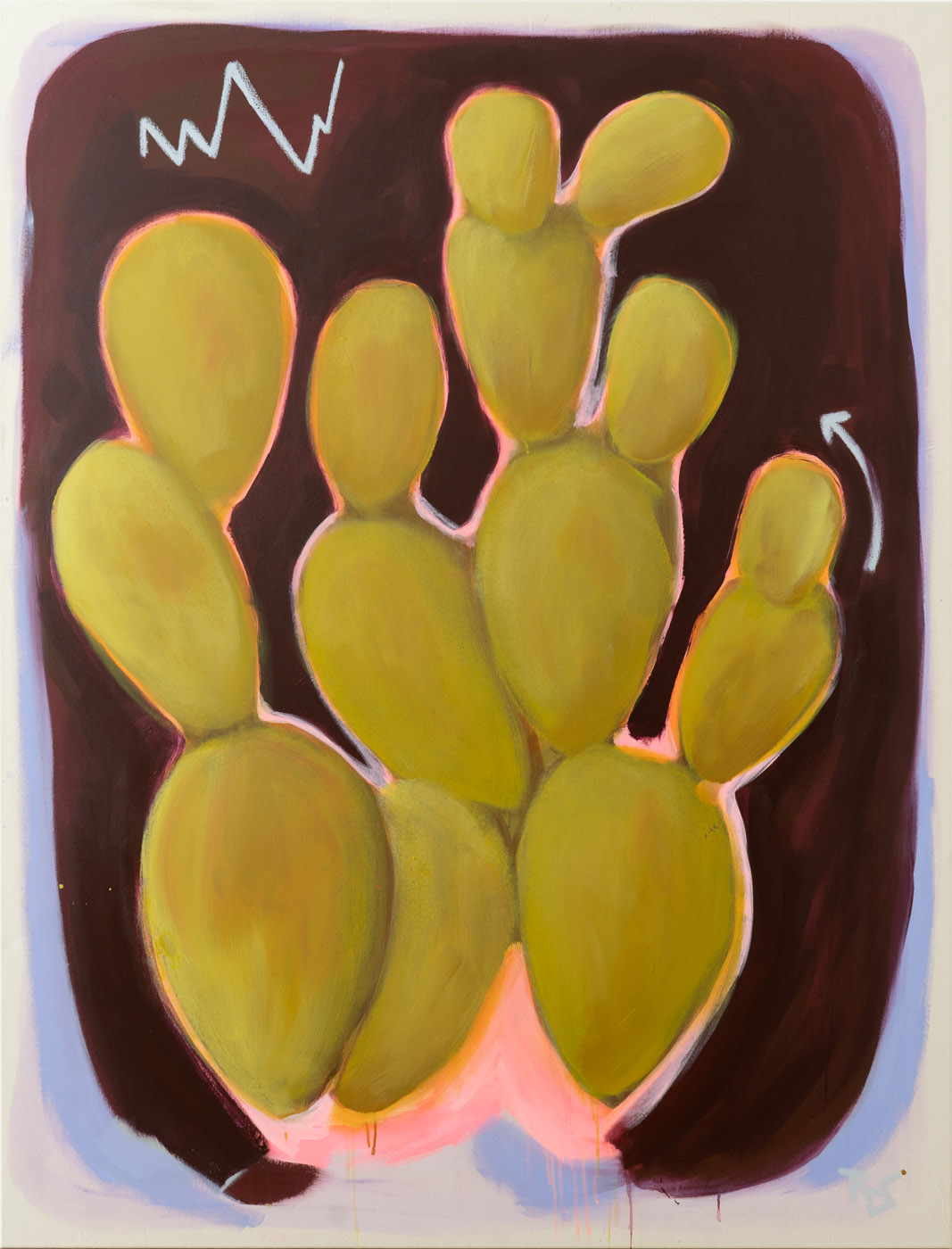
Pauline T. Schulte
Pauline T. Schulte (*1996, Gießen, Germany) creates multi-layered paintings in which strong colour contrasts meet themes of identity, nostalgia and emotional ambivalence.Go To Page
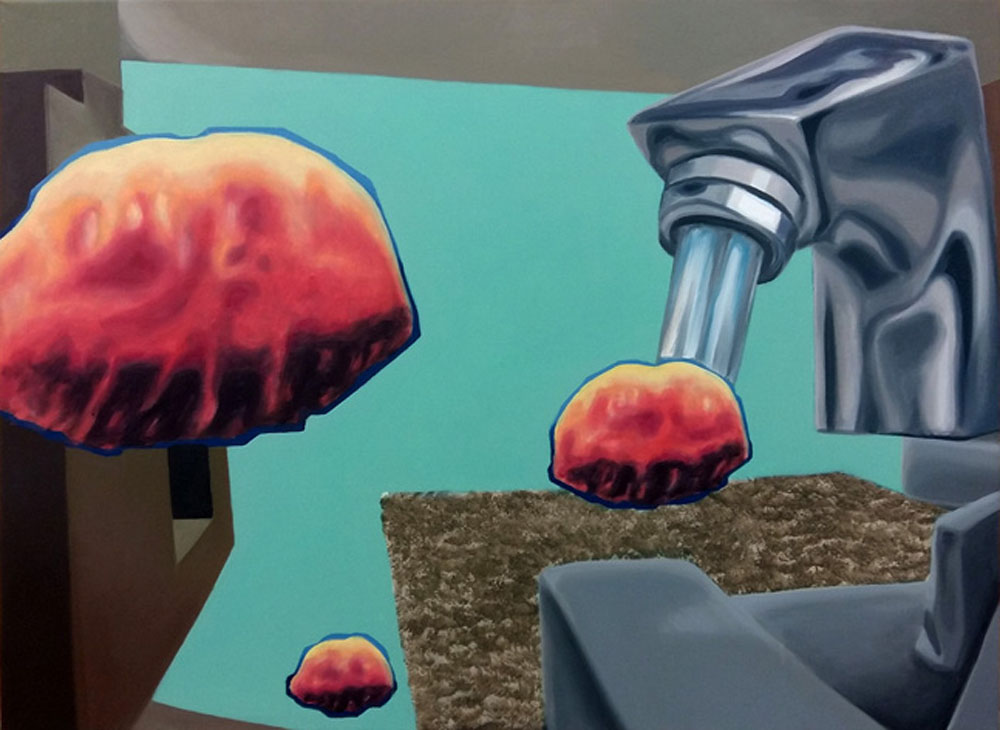
Dag Seemann
Dag Seemann´s paintings capture in a surreal modus the meaning of space. He puts the viewer into a multilayered vision of different spaces.Go To Page
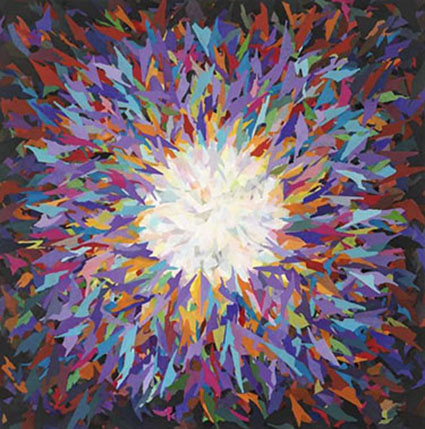
SEO
She works in abstract forms with rice paper, which is especially manufactured in her own design in South KoreaGo To Page

Monika Taffet
Monika Taffet dedicates her artistic practice tot he still life as well as to traditional topics such as landscape and interiors.Go To Page

Gert Tobias and Uwe Tobias
Gert Tobias and Uwe Tobias (born 1973 Brașov, Romania) are twin brothers working as a collaborative duo of visual artists.Go To Page

Reinhard Voss
Reinhard Voss works with conifers, which give the relief bodies a dynamic structure.Go To Page
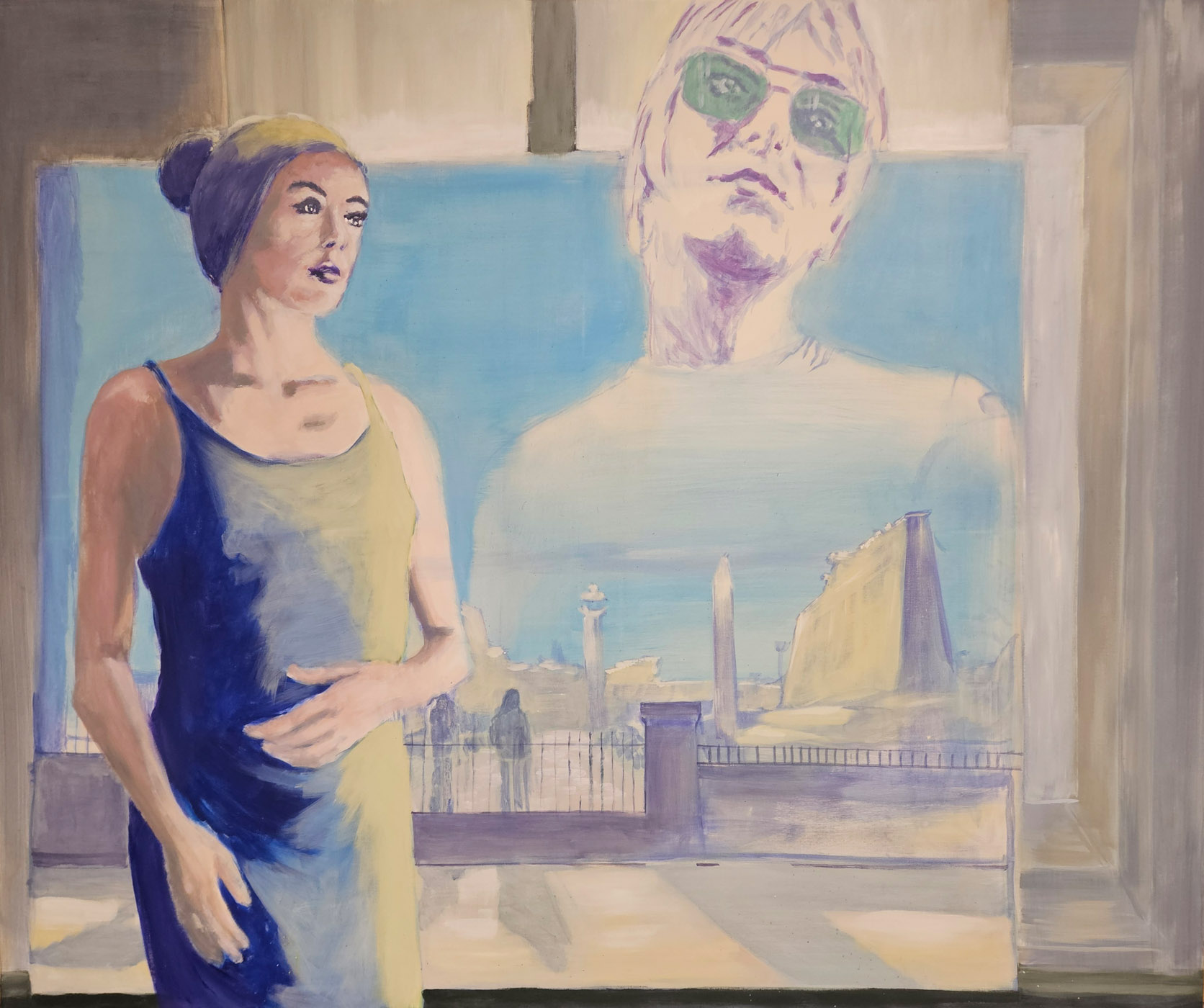
Leonhard Wachter
Leonhard Wachter (*1995, Leisnig, Germany) combines figurative observation with a contemporary perception shaped by the constant flow of digital imagery.Go To Page
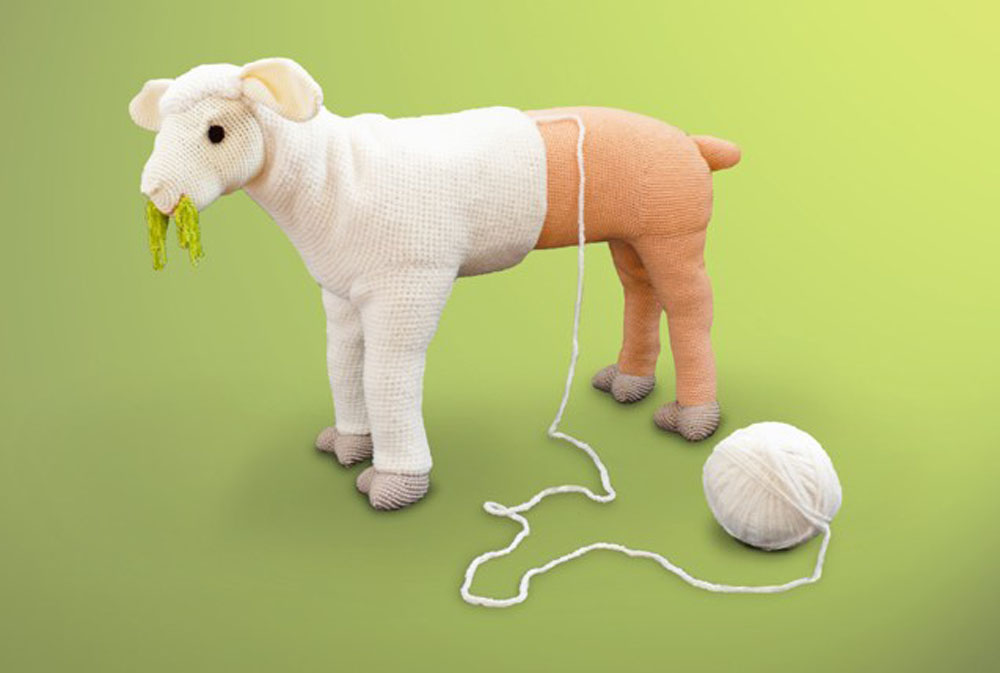
Patricia Waller
Patricia Waller presents her motifs – be it organs in jars, monsters in cables or dead bunnies – in a way that the monstrosity of the subject is revealed only on second sight.Go To Page

Corinne Wasmuht
Wasmuht's work deals with issues such as globalization, economic crisis, the proliferation of technology, and modern warfare.Go To Page
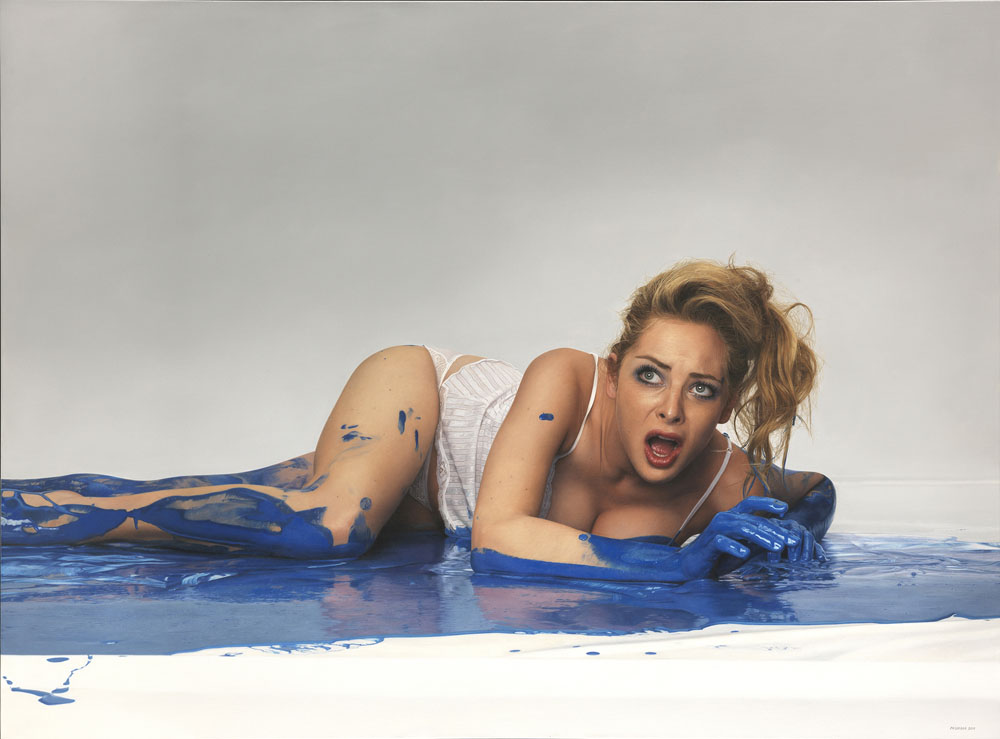
Philipp Weber
Philipp Weber is a hyperrealistic painter.Go To Page

Tom Wesselmann
Tom Wesselmann (*1931, Cincinnatti) was one of the leading figures of American Pop-Art.Go To Page
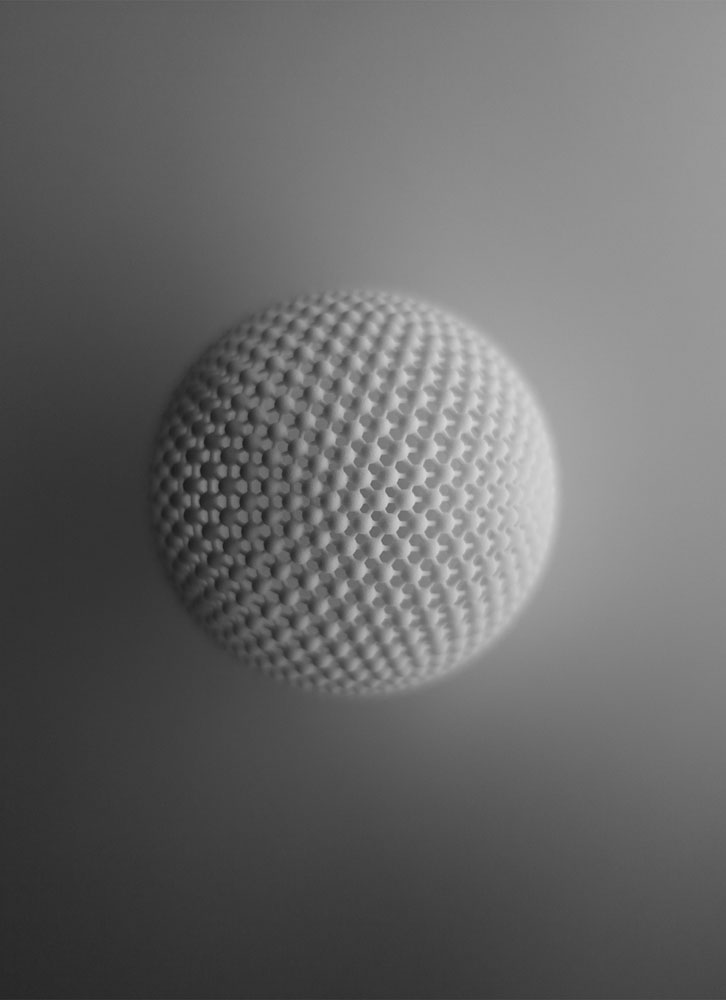
Martin Wühler
Martin Wühlers artistic practice reflects upon the paradox of artificiality as critique within conceptions of art,Go To Page

Jin Young Yu
Jin Young Yu’s work explores the disparity between the outward and inward self.Go To Page